

Small gaps around windows can allow outside air, dust, and moisture to enter your home. These openings may seem minor, but they can reduce indoor comfort and increase energy costs. Properly sealing window gaps improves insulation and helps maintain a consistent indoor temperature. It also protects the home from unwanted drafts and outdoor pollution. Regular inspection of window frames ensures small problems are fixed before they become larger issues.
Applying Window Sealant
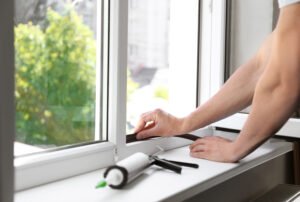
Over time, window frames may develop small cracks or spaces due to weather changes and natural expansion of materials. Using sealants, weather-stripping, or foam fillers helps close these gaps effectively. These materials create a protective barrier that prevents outside air from entering the house. Sealing window edges not only improves comfort but also reduces the workload on heating and cooling systems.
Window Insulation Close Up

Another important benefit of sealing window gaps is improved energy efficiency. When warm or cool air escapes through openings, heating and air-conditioning systems must work harder to maintain indoor temperature. Proper insulation around windows helps reduce energy loss and lowers electricity bills. Maintaining well-sealed windows also contributes to a more environmentally friendly home.
Modern House Window Frame

Regular maintenance of windows ensures long-term protection and comfort inside the home. Inspecting window frames, seals, and glass periodically helps detect small gaps early. Keeping windows properly sealed prevents moisture buildup and improves indoor air quality. A well-insulated window system creates a quieter, more comfortable, and energy-efficient living environment for the entire household.